Episode 1 – Come Out Ye Black and Tans
Tuesday 5th September, 7.00 pm, RTE ONE
You’ve heard them sung at parties, across the airwaves, on tv and in film. Some have travelled the world with countless versions, while others have that definitive one that you love. But do you know the stories behind some of Ireland’s most popular songs?
In this new four-part series, Aistear an Amhráin looks at the social and cultural history, the myths, and the quirky tales, in the company of lovers of song, and those that have made these songs what they are. Seán Ó Riada’s timeless Mná na hÉireann; the Sawdoctors’ heartbreaking emigration anthem N17; The Dubliner’s much-loved bawdy ballad Monto; and we begin the series with a look at the fist pumping, divisive rebel anthem Come Out Ye Black and Tans.
It’s a song that’s never been far from the headlines. In March 2019 The Wolfe Tones hit the number one spot in Ireland and the UK with Come Out Ye Black and Tans after Steve Coogan famously launched into a rendition of the republican ballad on the BBC’s This Time With Alan Partridge through his Sligo farmer Martin Brennan. Months later in January 2020, plans to commemorate the Royal Irish Constabulary (RIC) were shelved or ‘deferred’ by the Irish government as part of its “Decade of Commemoration” resulting in another popular resurgence. Bypassing Stormzy and Dua Lipa, Come Out Ye Black & Tans was once again at the top of the iTunes charts.
We look at how it links the Irish experience with other countries struggles against the British Empire. The packed out 3Olympia at a Wolfe Tones gig this year that features in our programme, makes it clear that Come Out Ye Black and Tans, has become an integral part of rebel music culture, and that they as a band are an integral part of its success, having first released it over fifty years ago.
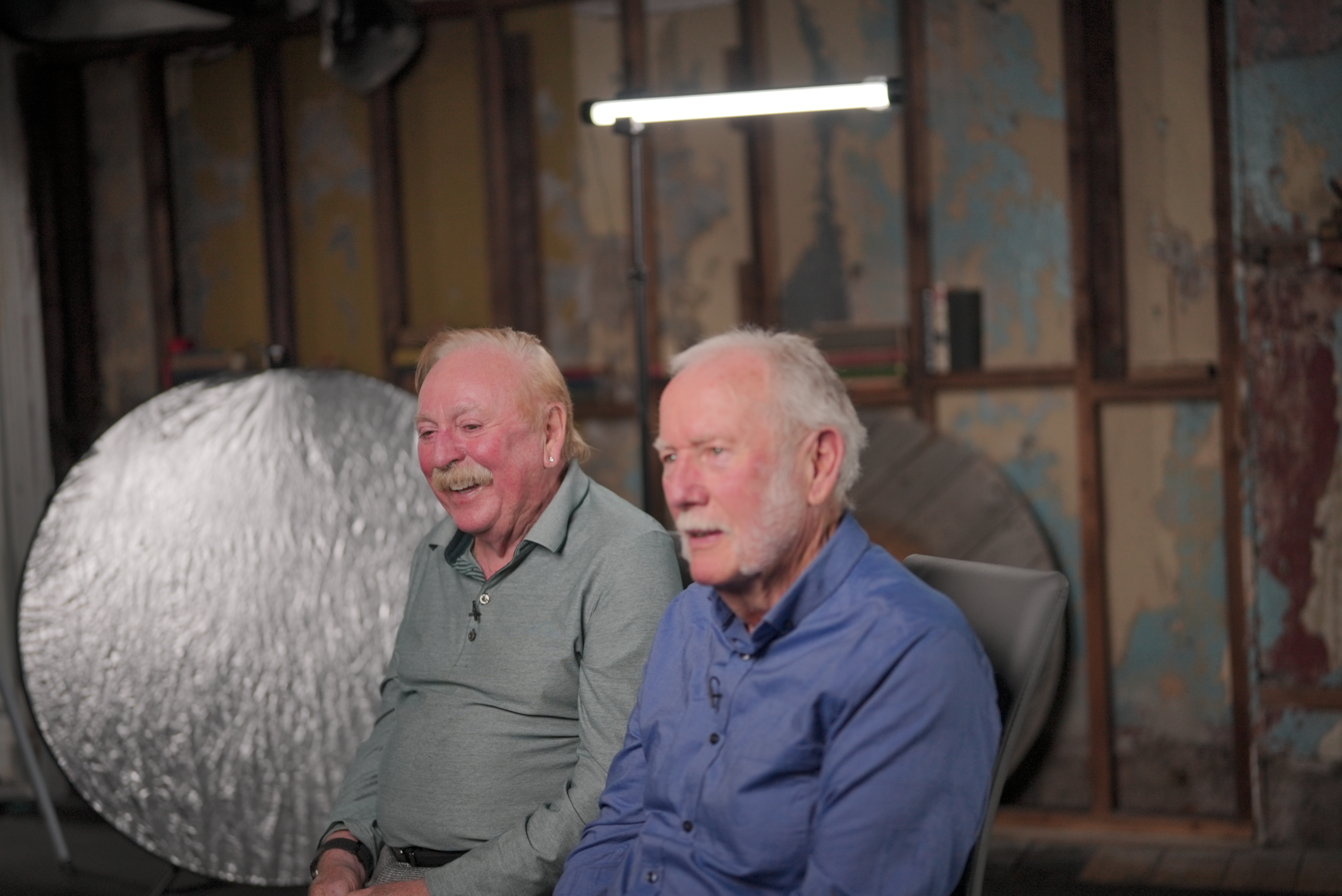
They give their thoughts on its success and on the accusations that have been levelled at them over the years of inflaming anti-British passions and celebrating republican violence. The programme also features contributions from Ray Cuddihy, Caoimhe Ní Chathail, Tomás Mac Conmara and Aindréas Ó Cathasaigh.