



Beyond The Bullets – Real Life During The War Years
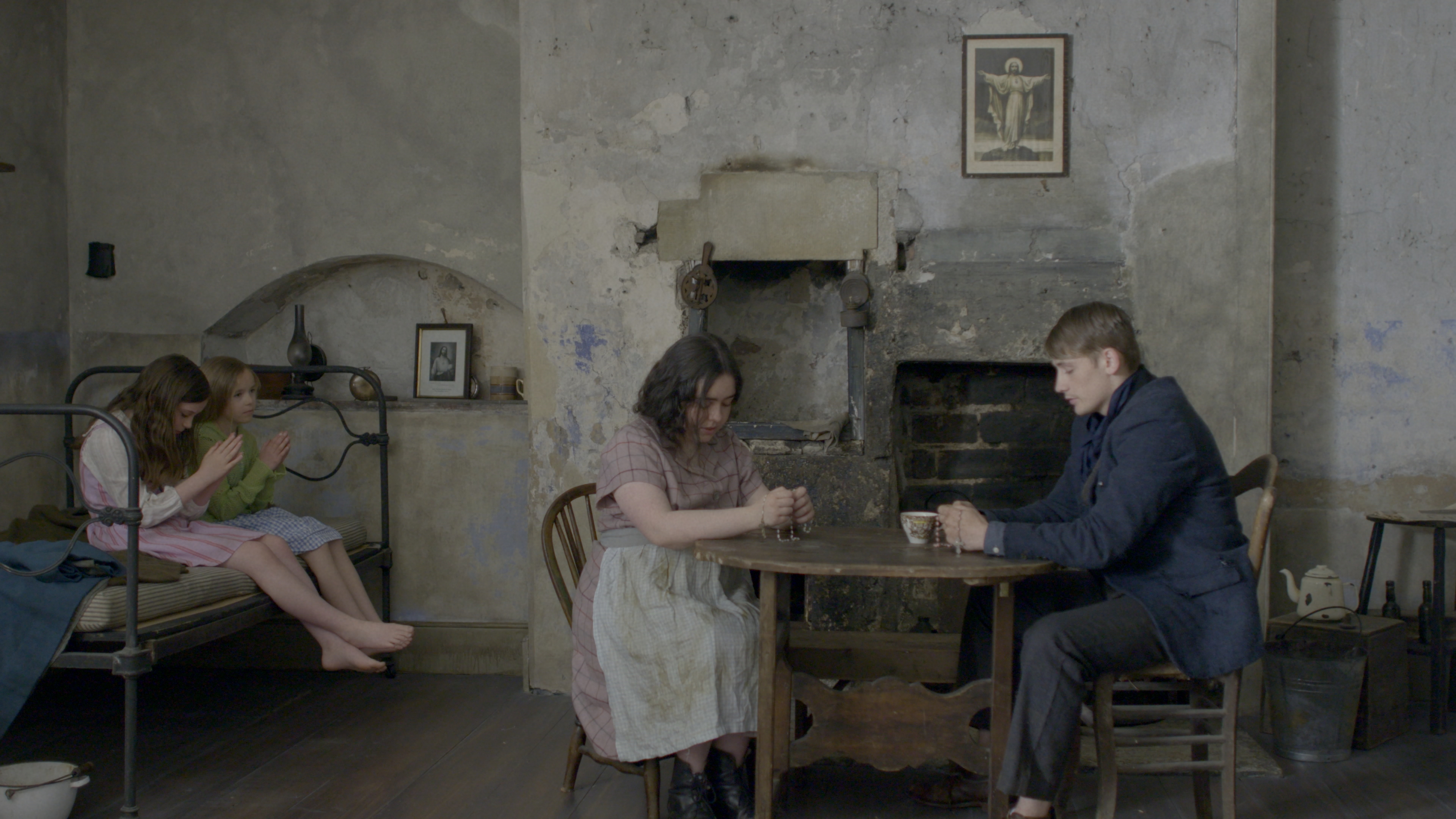
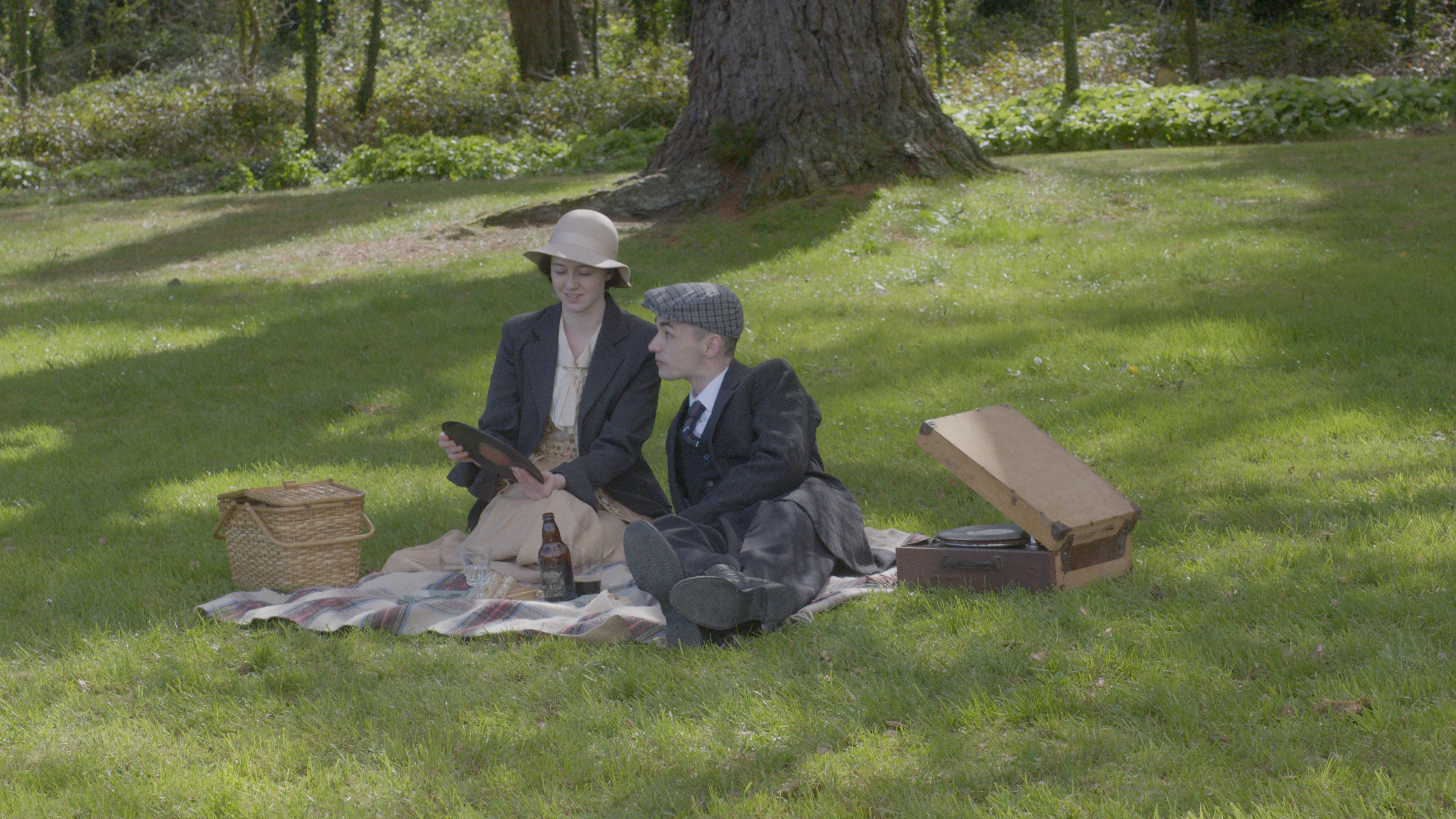
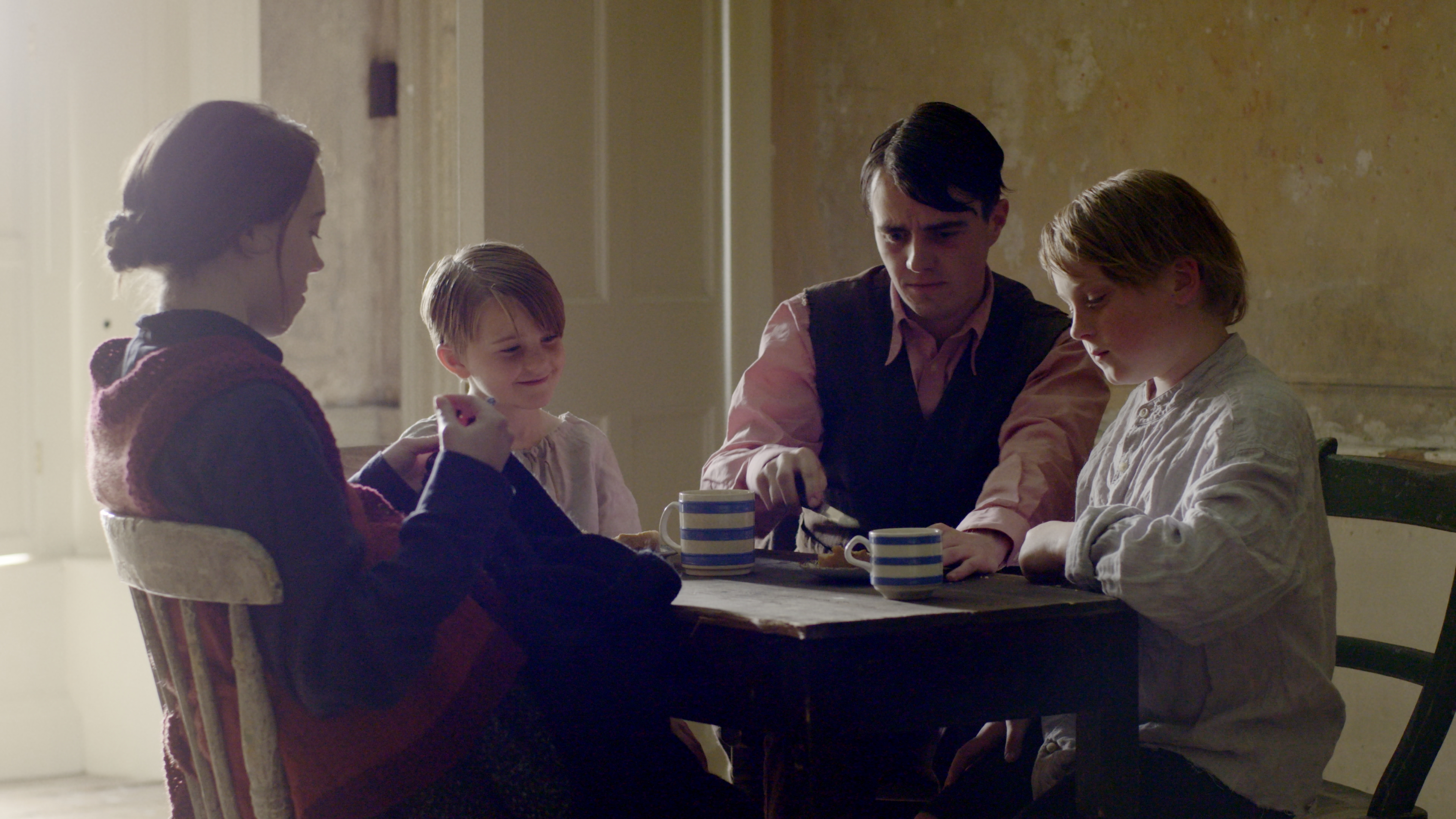
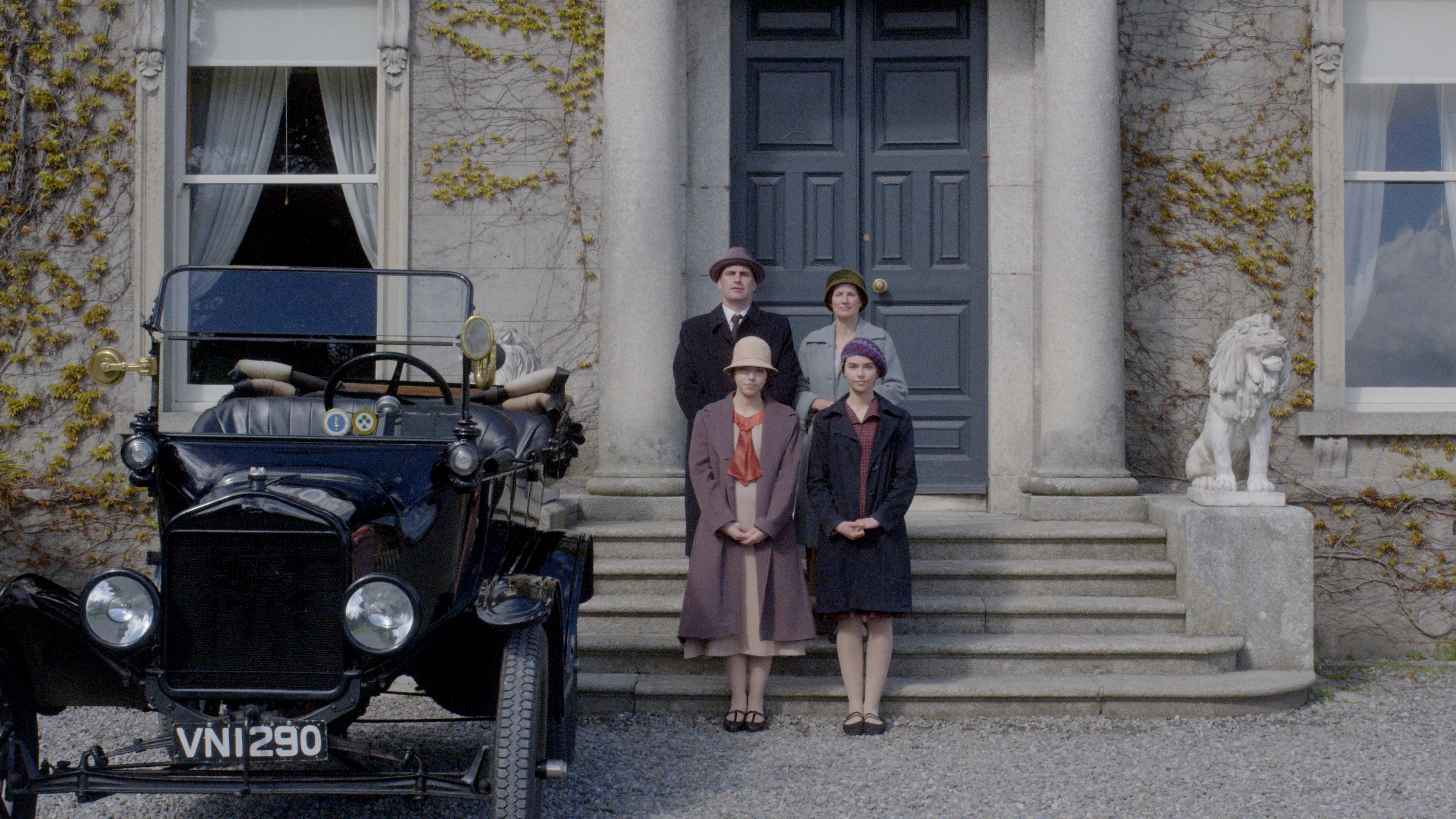
Beyond The Bullets looks at the war years of 1921, 1922 and 1923 through a social history lens. Using a blend of text, archive, social data, reconstruction and contemporary music of the time we will paint a vivid picture of what real life was like in these historically significant years.
Each episode of ‘Beyond The Bullets: Real Life During The War Years’ will use text, original footage, photos, newspaper stories, movies, newsreel, contemporary music of the time and reconstruction to tell the story of that year. Allied to these devices will be deep social research that will present facts on areas like work and working conditions, sexual mores, education, class and leisure.
Over 6 episodes – two for each year – the narrative will play out in its original timeline (January to December) and will be crafted around the year’s key political events and incidents. This unfolding political narrative will provide our compelling ‘A story’ but it will be the integration of the other cultural, sporting, leisure and commercial elements that will make the films really engaging for a broad TV audience.
Beyond The Bullets is produced by Indiepics for RTE.
The series is supported by the Department of Tourism, Culture, Arts, Gaeltacht, Sport and Media under the Decade of Centenaries Programme 2012-2023.
Episode 4. 1922. June to December
In the second half of 1922 Civil War begins. The National Army bombards the IRA occupied Four Courts. Hostilities break out across the country. Arthur Griffith dies and Michael Collins is shot dead. The Irish Free State officially comes into existence but remains part of the British Commonwealth with King George V at its head. The last of the British troops in the Irish Free State leave. At the North Wall in Dublin, they embark to the strains of ‘Let Éireann Remember’
Through this turbulent time well heeled families decamp to hotels for Summer breaks where golf and resident orchestras provide distraction. The hot Summer draws crowds to seaside locations while farmers worry about the threat of drought.
While newspapers carry lots of Situations Wanted and Situations Vacant ads, unemployment is a major issue. The crisis is described by the Labour Party as ‘a national emergency as serious as the outbreak of a war or a plague’. The Irish government’s reaction to the crisis is to initiate a series of public works. £275,000 is allocated for schemes, many of which involve road building. But as new roads are being built, old ones are being destroyed in the Civil War. The centre of Dublin once again suffers severe damage during the “Battle of Dublin”. However, the much anticipated reopening of Clery’s Department Store goes ahead … six years after it was destroyed in the Easter Rising.
In the lower courts, 80% of cases are for theft. Much of the rest are for drunkenness and minor assaults. More serious cases come before the Criminal Courts. This year sees 500 cases of armed robbery in Dublin and 23 non-political murders.
Post Office workers go on strike over proposed wage cuts.
In international news, Leonard Thompson, a 14 year-old Canadian is dying from Type 1 Diabetes. He is the first person to be treated with insulin. Leonard survives. Benito Mussolini becomes Italy’s youngest Prime Minister at the age of 39. In Egypt, archaeologists Howard Carter and Lord Carnarvon are enter the tomb of Pharaoh Tutankhamun, the first to venture inside in over 3,000 years. The leader of the National Socialist German Workers Party, Adolf Hitler is working to grow his party’s membership. With just 55 members in 1920, in 1922 he gives a speech to a crowd of 50,000 people.