




Beyond The Bullets: Real Life During the War Years looks at the war years of 1921, 1922 and 1923 through a social history lens. Using a blend of original footage, text, photos, archive, social data, reconstruction and contemporary music of the time we will paint a vivid picture of what real life was like in these historically significant years. Allied to these devices will be deep social research that will present facts on areas like work and working conditions, sexual mores, education, class, leisure …
Over 6 episodes – two for each year – the narrative will play out in its original timeline (January to December) and will be crafted around the year’s key political events and incidents. This unfolding political narrative will provide our compelling ‘A story’ but it will be the integration of the other cultural, sporting, leisure and commercial elements that will make the films really engaging for a broad TV audience.
Episode 1. 1921. January to June.
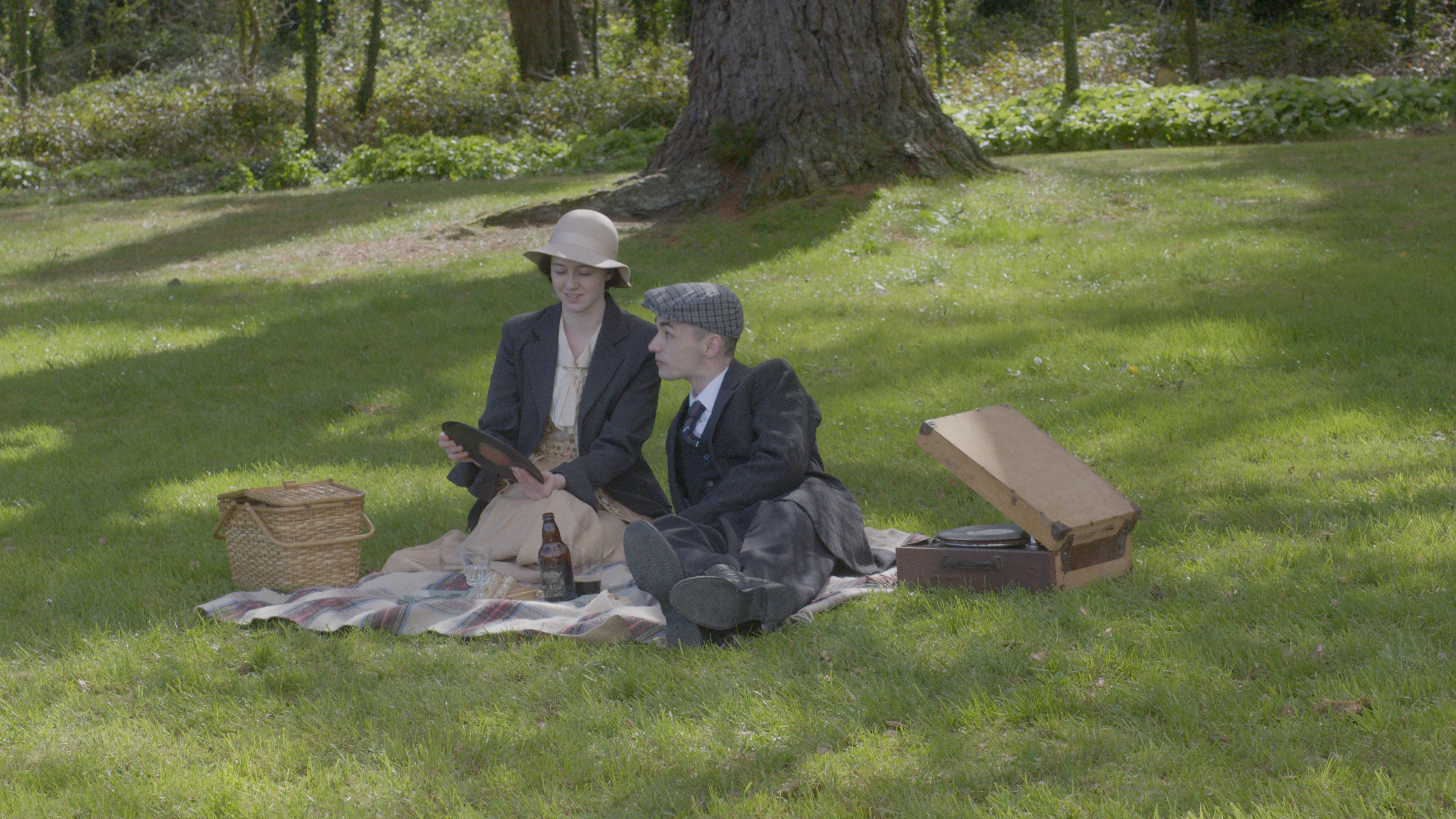
The war of independence rages on, with much bloodshed in early January. In Irish cities, the January sales are in full swing with newspapers full of advertisements for ladies fashions. The Cloche hat is the “it” accessory for 1921 and, for a certain set, bob cuts are all the rage. In international news Coco Chanel launches her iconic perfume, No. 5.
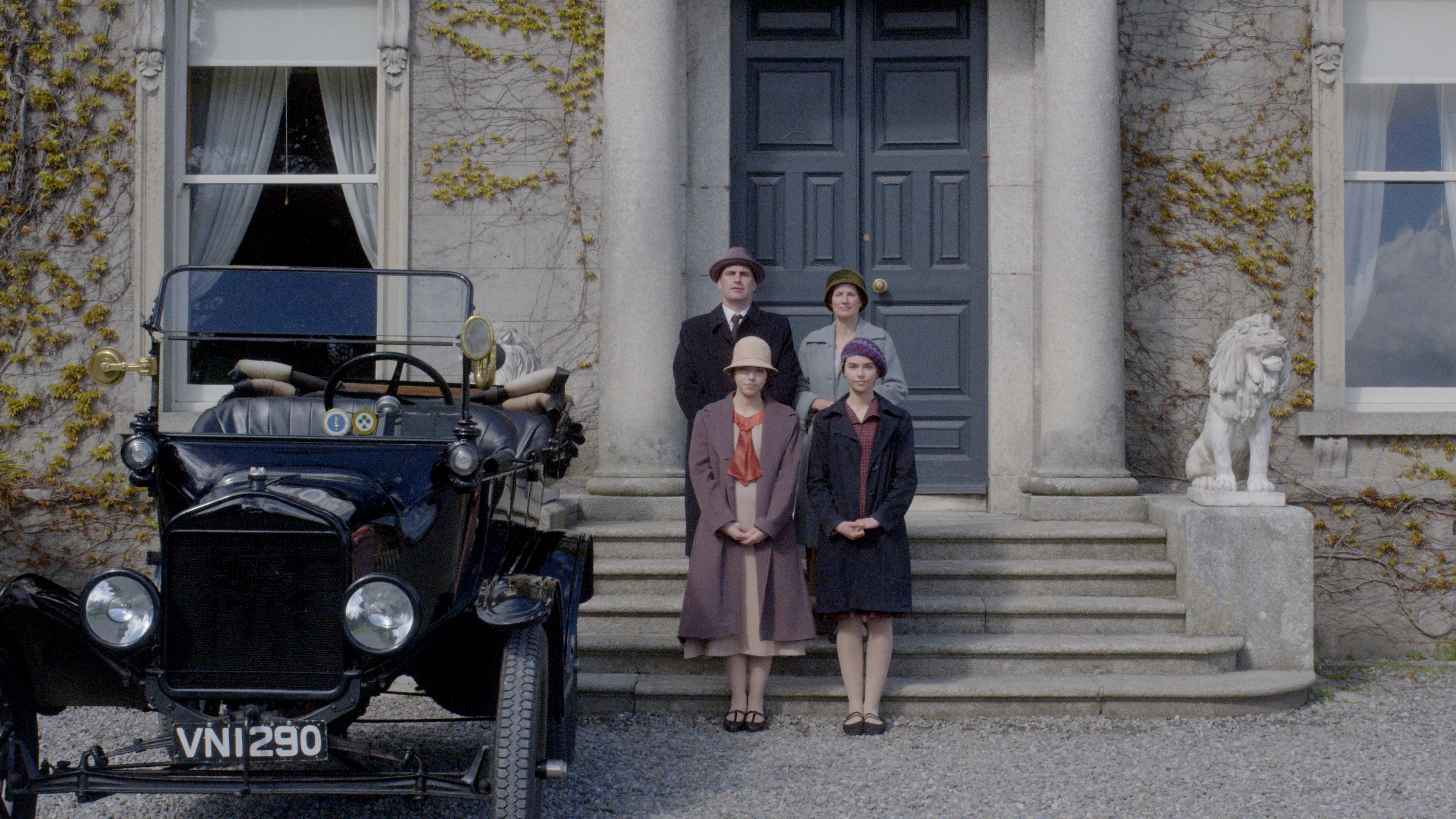
Against the background of martial law, with civilian courts replaced by military courts, letter writers to newspapers are concerned with motor tax and the state of the roads.
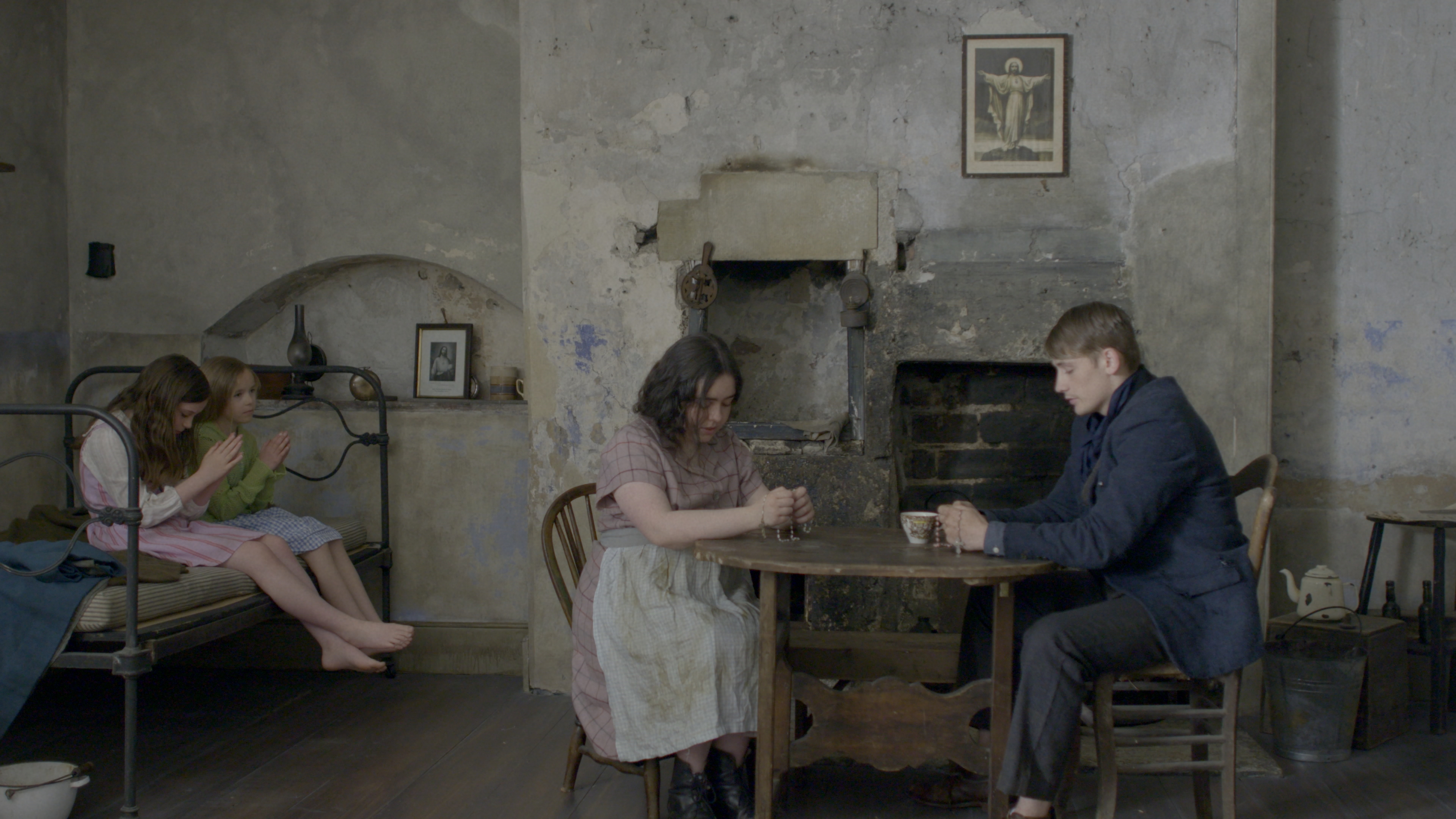
It’s thought that a third of the population of Dublin City is living in tenements. Divorce is available in Ireland but only through parliamentary process, which is expensive. In 1921 a small number are granted, for “misconduct” and “fiscal abuse”.
Count John McCormack records “Learn to Smile” which becomes an instant hit.
The Mayor and former Mayor of Limerick are killed by Crown forces.
In the same month the 900-seater Pavillion Cinema in Cork is playing The Greatest Question, a murder mystery. Curfews mean only matinee showings. Each show is a sell-out.
In London, Dr. Marie Stopes opens the first ever birth-control clinic. 90,720 babies are born in Ireland this year … of these births, 2,874 are deemed “illegitimate”.
In front of an enthusiastic crowd, the Irish Grand National at Fairyhouse is won by Bohermore. The Whiteheaded Boy, a farce, opens in the Abbey.
The Glasnevin Gravediggers go on strike, on health and safety grounds. At 63,383, the death rate for 1921 is the lowest recorded for a number of years. Average life expectancy is less than 60 years for both men and women. Tuberculosis is the biggest killer, accounting for 7,068 deaths … while cancer claims 3,895 people. Over 7,000 infants die in 1921. Dublin’s infant mortality rate is 40% higher than London’s. Unsurprisingly, in 1921 death by violence is greatly increased. The tally of 2,760 is up 900 on the previous year. 1,096 are killed by gunshot … including 37 women.
In May, Partition comes into effect through the Government of Ireland Act. 24 May is Election day on both sides of the newly formed Irish border. In the South, all 124 Sinn Féin candidates are returned unopposed, including six women.
Also in May, the IRA occupies and burns the Custom House, a key site of British administration. Five Irish Volunteers are killed and 80 are captured. The operation raises international awareness of Ireland’s fight. As the Custom House burns and the struggle continues, Ireland is becoming more of a challenge for Britain to govern.
*****
Beyond The Bullets is produced by Indiepics for RTÉ.
The series is supported by the Department of Tourism, Culture, Arts, Gaeltacht, Sport and Media under the Decade of Centenaries Programme 2012-2023.