


With special reports on switching to electric cars and living a low-carbon lifestyle, this
programme will hear from experts, politicians and ordinary people examining whether
Ireland can meet its ambitious carbon reduction targets, and if we do, what is on the other
side. Architect Dermot Bannon takes viewers through the changes needed when it comes to future living.
****
All this week RTÉ Prime Time focuses on the climate crisis we face with experts, politicians, and ordinary people contributing as we assess what needs to be done to meet our ambitious 2030 climate targets. A digitally led project, rte.ie/primetime will host a week of in-depth analysis and data from Monday morning, publishing every day, as well an extended dedicated live programme on Thursday April 14th.
As part of RTE Prime Time on Thursday night, Minister for the Environment and Transport Eamonn Ryan, along with a panel will discuss government responsibility as well as individual and societal responsibility.
With the war on Ukraine continuing, RTÉ Prime Time will engage on the urgent issues such as Europe’s dependence on Russian oil which compromises climate targets and what is the state of play on our energy alternatives.
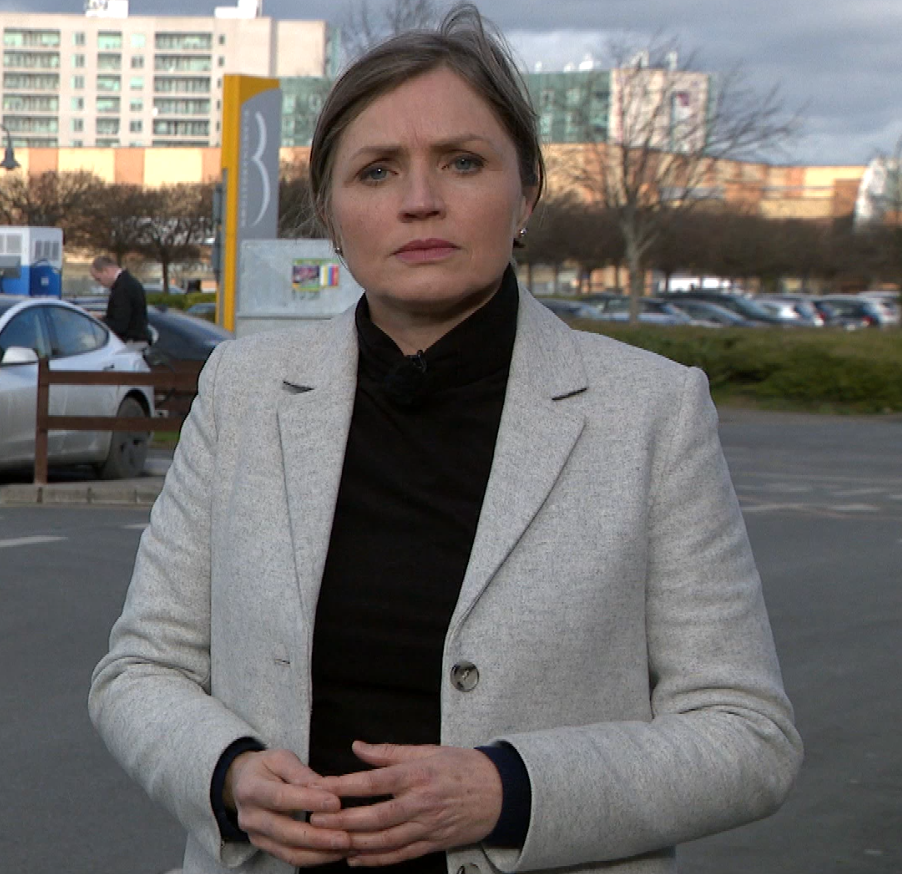
Reporter Oonagh Smyth reviews Ireland’s climate goals and addresses the obstacles standing in the way of achieving them in transport, energy, land use and agriculture.
RTÉ Prime Time also reports on Ireland’s car-buying habits and questions whether we are on the right road with the one million electric vehicles pledged by 2030 and looks at the difficulties facing consumers trying to make a smart choice.
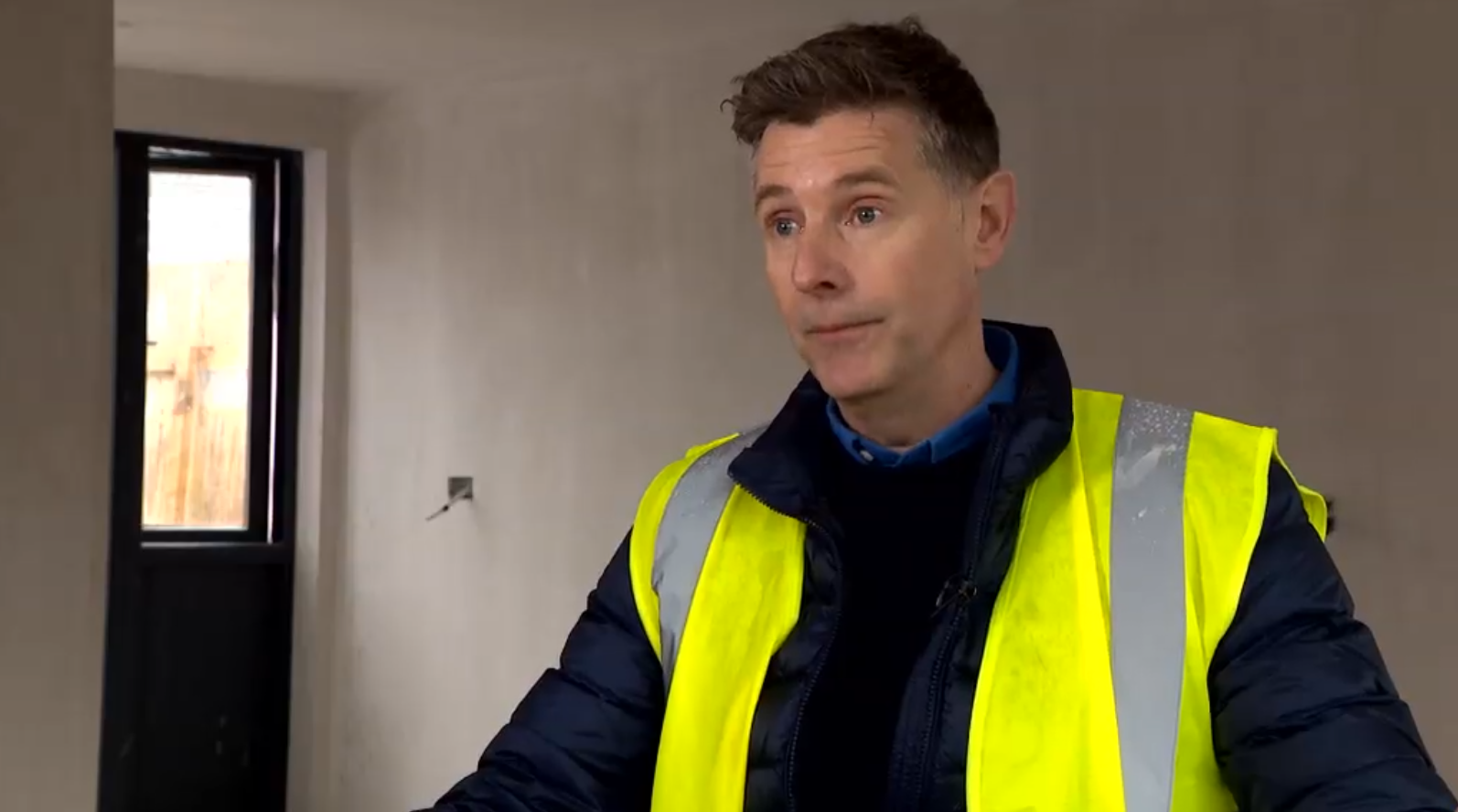
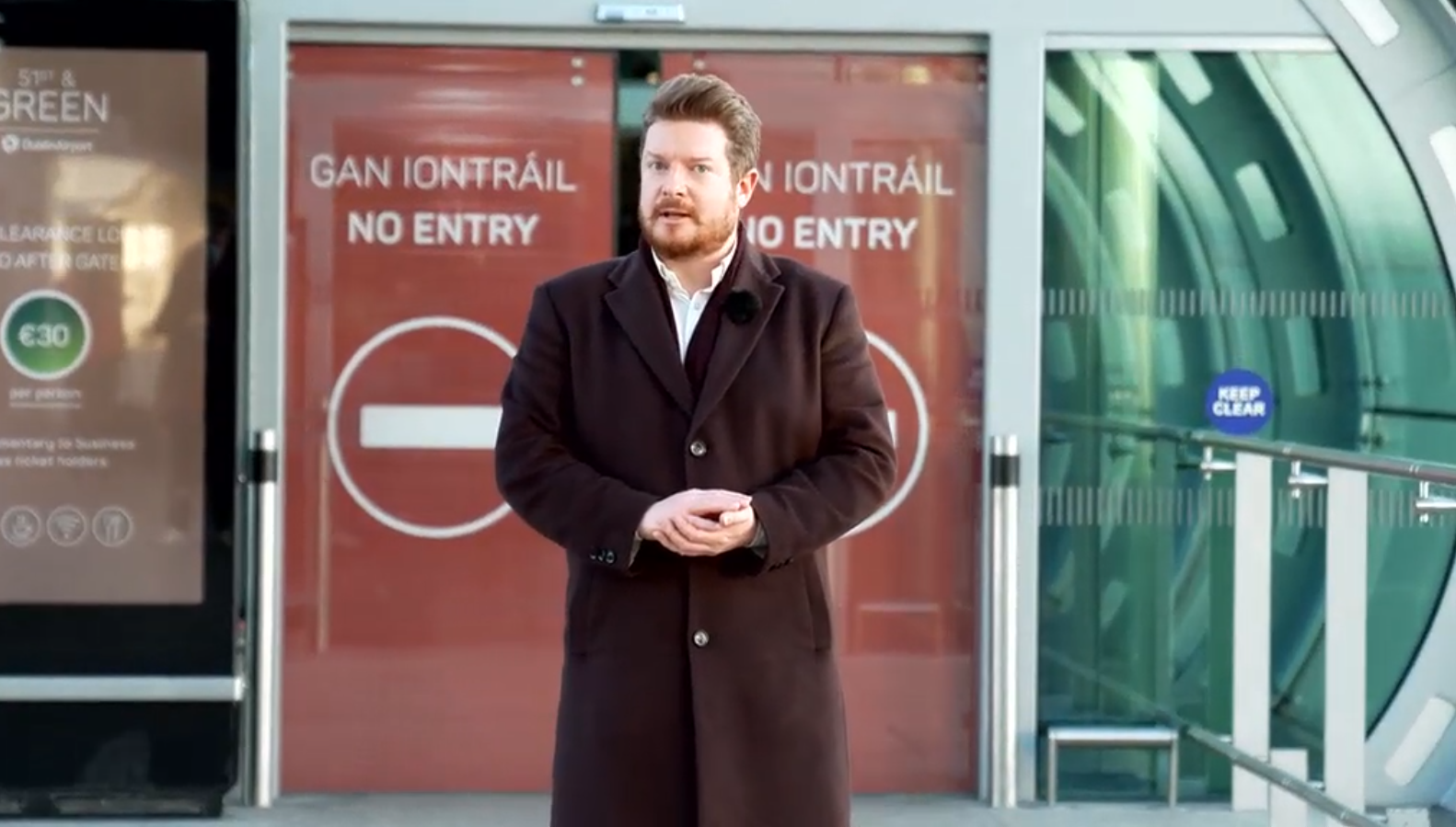
With the UN Intergovernmental Panel on Climate Change (IPCC) warning that there is a small and rapidly closing window to act on climate change, reporter Conor Wilson explores this ‘sliding doors’ moment for Ireland and what it will mean to live a low-carbon life. In this he speaks to architect Dermot Bannon who takes viewers through some of the changes needed when it comes to future living, such as being able to walk around your home in an ambient temperature in the depths of winter.
Bannon addresses the scale of the issue saying: “Our housing stock is very, very poor. The average house in Ireland is a D1 rating, which is really poor in comparison to the rest of Europe, so we are starting from a very, very low base point. The incentives that are there, what is available to people and what we are doing is probably on a par with the rest of Europe; our country has got to do half a million homes in the next 8 years and that is a massive boulder to push up a massive hill”.
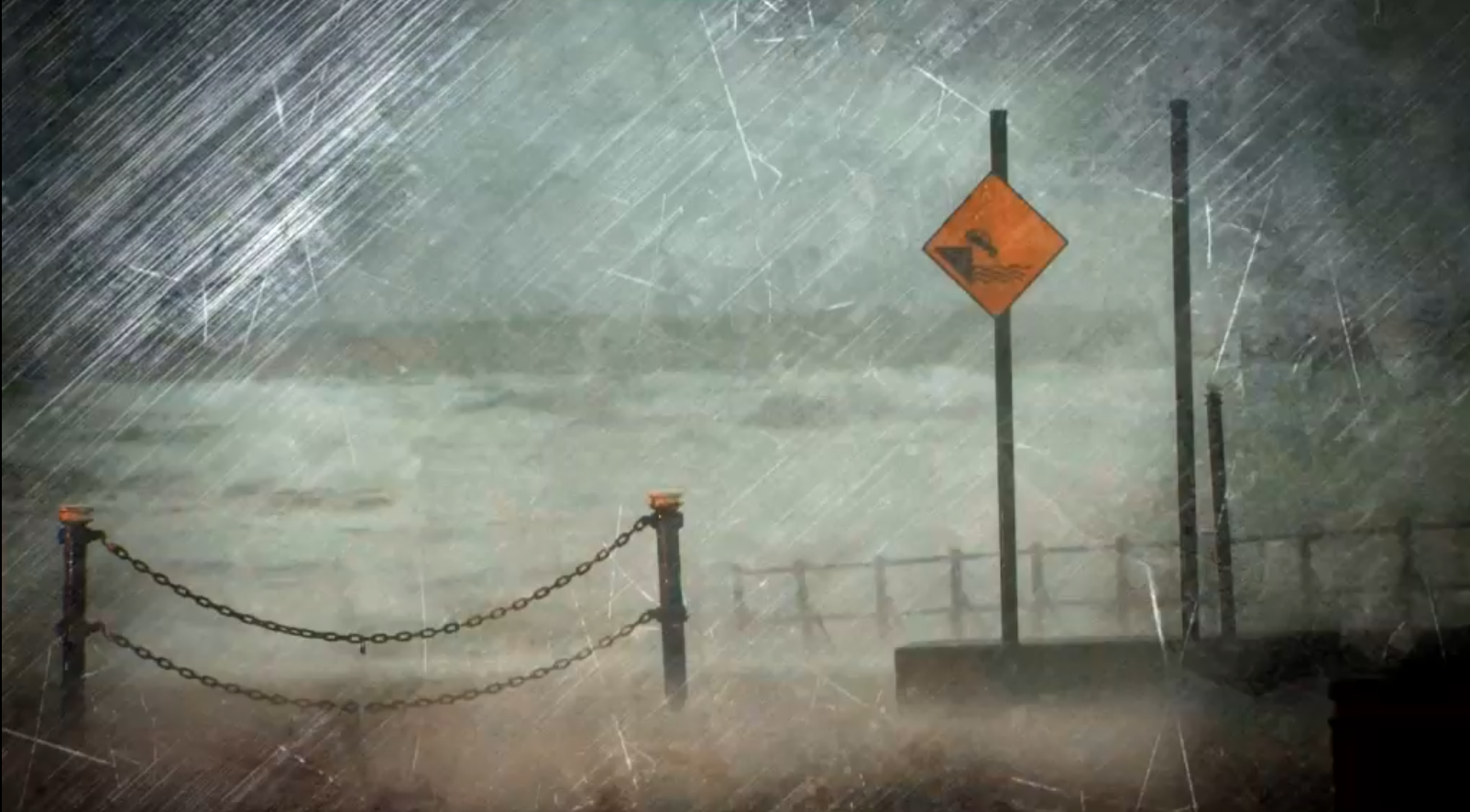
Conor Wilson reports from the Dingle peninsula where the local community is creating new ways to keep emigration at bay, and at the same time they are adapting for the climate change impacts already hitting their shores. The Dingle Hub in Co. Kerry is an experiment that could provide a glimpse of the future for communities across the country.