




The physical chastisement of children was widely tolerated for much of the twentieth century in Ireland, many forms of that punishment would be considered abuse by today’s standards. The prevailing policy and practice of corporal punishment in homes and schools was seen as both acceptable and legitimate. The right of parents to use corporal punishment, in their own homes and against their own children, was scarcely questioned and was regarded by many as necessary in the rearing of young children. The government and the courts consistently refused to limit the use, by parents and teachers, of corporal punishment, or to differentiate legitimate punishment from cruelty or abuse.
The “punishment” as laid down in the Children Act 1908 had to be moderate and reasonable and the implement used “fit for purpose”. The rules, which gave limited safeguards to the child’s welfare were subject to wide misuse by both teachers and parents. Complaints and legal actions were often either ignored, minimised, overruled or dismissed. Little understanding, of the potential long lasting negative damage that corporal punishment could do to the child. The threat of a whack of the leather strap, the cane, the ruler or indeed the wooden spoon would “do no harm”.
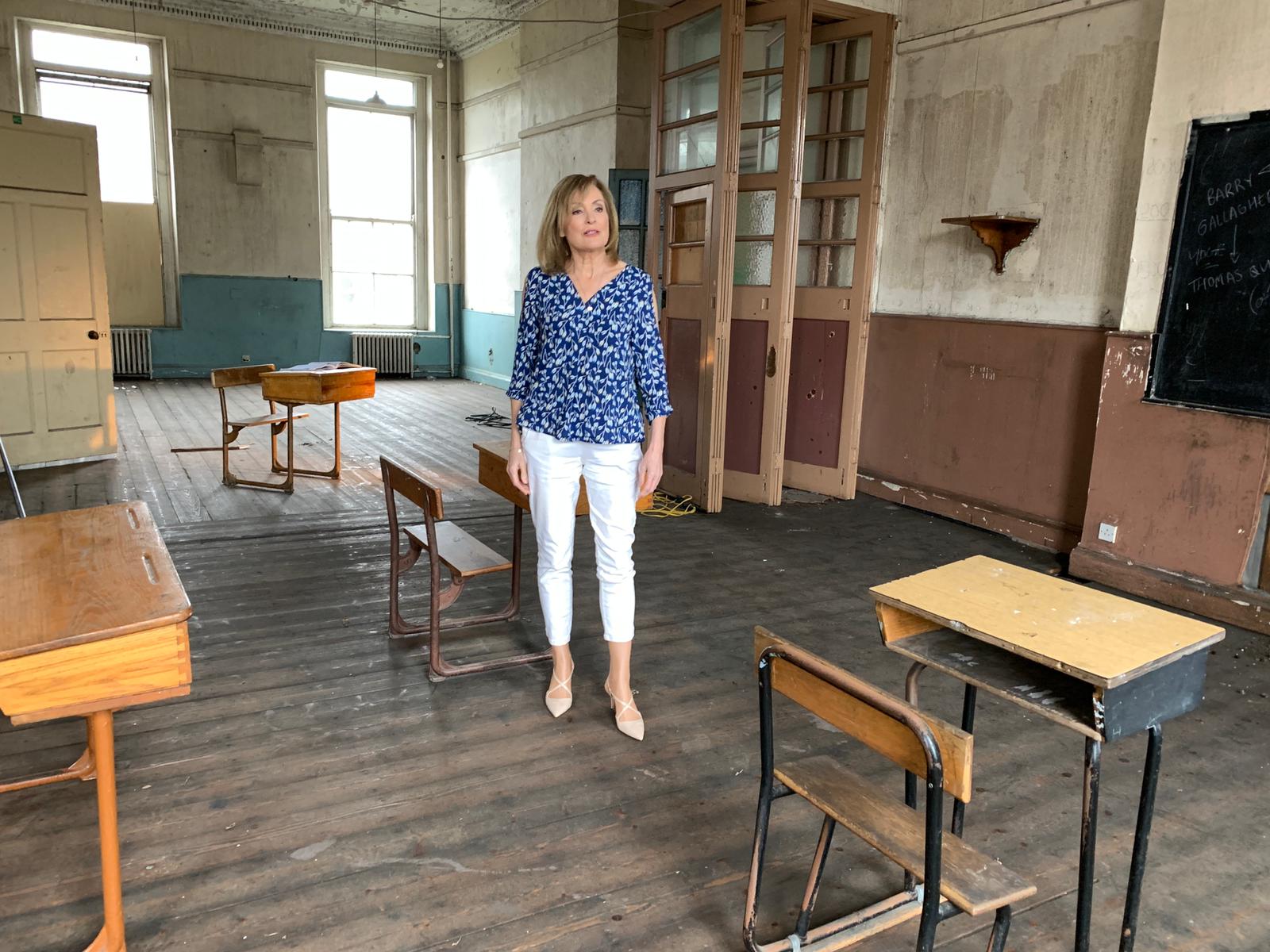
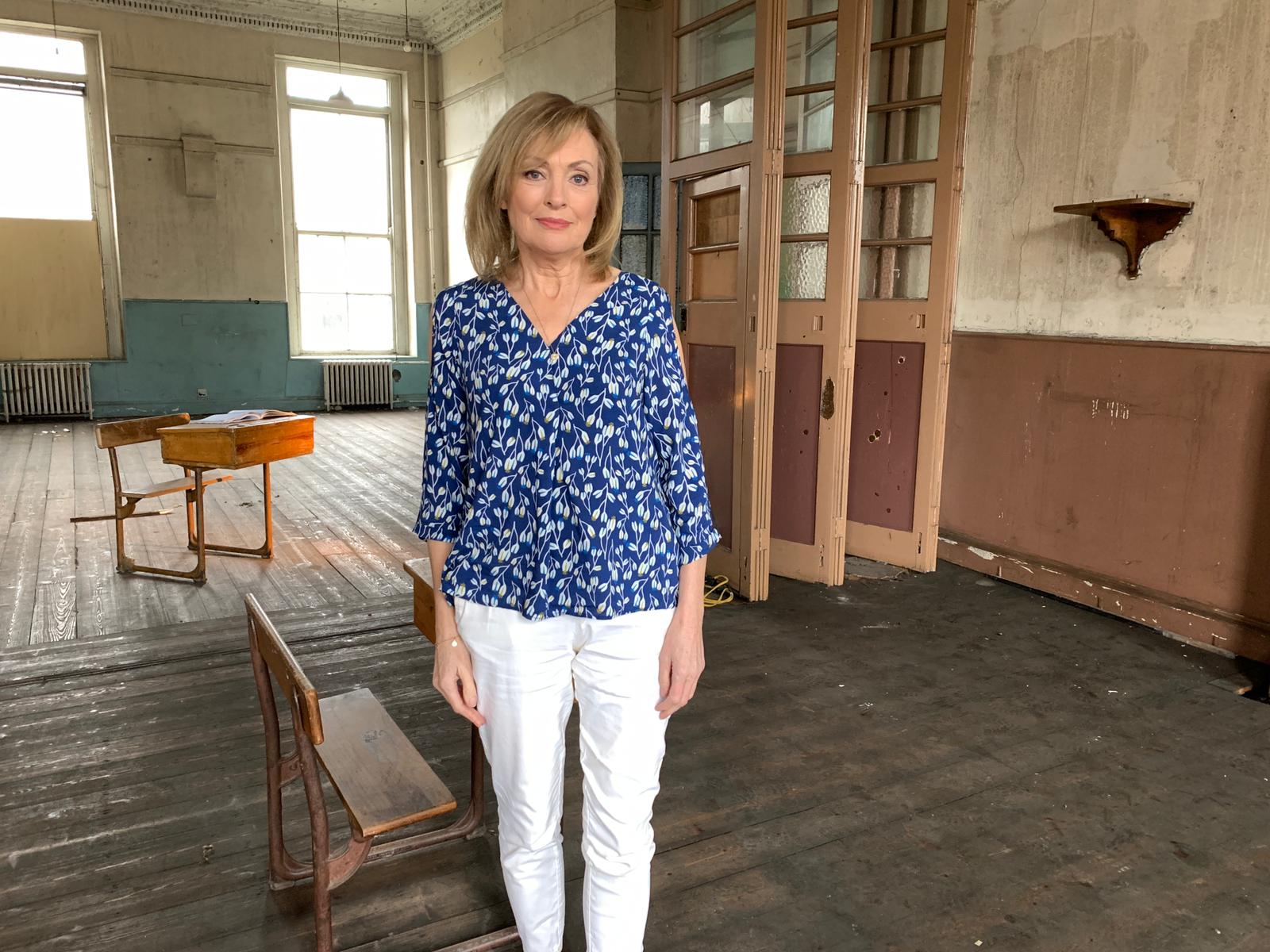
In this episode of Cosc looks back on the use of corporal punishment against children in our schools and in the home. We examine a culture where the extreme physical chastisement of children was supported by the main sections of society, a society which refused to hold teachers or school managers accountable for even the most blatant violations of the rules. We talk to those who suffered the lifelong effects of the practice. Norman Murray from Navan, was regularly beaten at school with a wide array of instruments including a hosepipe. Such was the severity of the beatings that his mother had to ask for a doctor’s note to ask the teacher to beat him on his uninjured hand. There were those who took a stand against Corporal punishment like Dr Paddy and Mary Randles, whose campaigning resulted in the News of the World and NBC TV shining a spotlight on Irish Corporal punishment to millions of people abroad. Broadaster Mary Kennedy recalls being both a student and a teacher in a world where Corporal Punishment was still allowed
Cosc asks why it was still accepted practice in Irish schools until 1982 and Irish homes until 2015, although arguments against it had been advanced as early as the 1950s.
“I remember going to extra piano lessons and there was a long blue pencil beside the piano and if you made a mistake you would get hit with the pencil, that was just the way.” – Mary Kennedy
“I suffered post-traumatic stress from what was when you’ve been beaten by grown man with various weapons on a broken arm and you can do nothing about it” ——-
“My mother went to the doctor to get a note often for the teacher to tell him to beat me on my left hand which wasn’t sore doctor” – Norman Murray.
“we parked the car outside our house 24 hours, and we came out one morning and the four tyres of the car were slashed. On another occasion, he had bricks thrown through the surgery window”- Mary Randles (on the intimidation she and husband Paddy suffered after attracting media attention to excessive corporal punishment in the local De LaSalle school)
“Now of course looking back through the prism of fifty years it’s easy to judge people at that time, but the was true context of that time. “- Joe O’ Toole former senator and INTO Gen Secretary 1990-2001)
“We keep repeating the narrative, it didn’t do me any harm. It may be more interesting to say did it you do any good or was there a better way of doing it” – Stella O’Malley. , Psychotherapist