


Series Overview:
It’s a four letter word beginning with C-one which has dogged or defined us for good or ill…
COSC!
COSC (Banned) is also the title of a new short series from RTÉ’s Irish Language team which looks back at some of the interesting and often surprising instances of banning in Ireland.
Almost 100 years ago when the country had finally won its freedom from its colonial masters, and even while it was still in the midst of a bloody civil war, one of the first Acts passed by the Oireachtas was the Censorship of Film Act. A priority of the new Free State and the Republic that followed would ironically be to limit the Freedom of its citizens…for their own good of course!
But it didn’t just stop at the new and obviously dangerous medium of film ( which was remember silent at the time ) Irish Authorities over the century added Bans on Books, magazines, Newspapers, Contraceptives, Divorce, and even restrictions on types of music and dances. By the 1950’s the list of banned things seemed endless.
Today, with online access to a universe of content and ideas right in our smart phones, this almost seems inconceivable!
Why did we need to limit our own freedoms? Was it fear, distrust or xenophobia?
Has the nation changed for the better? Or have we lost something inherent in our identity?
The series COSC starts on RTÉ ONE Television on Tuesday 29th September at 7PM with Episode 1: Down with Jazz
Down with Jazz – Episode 1
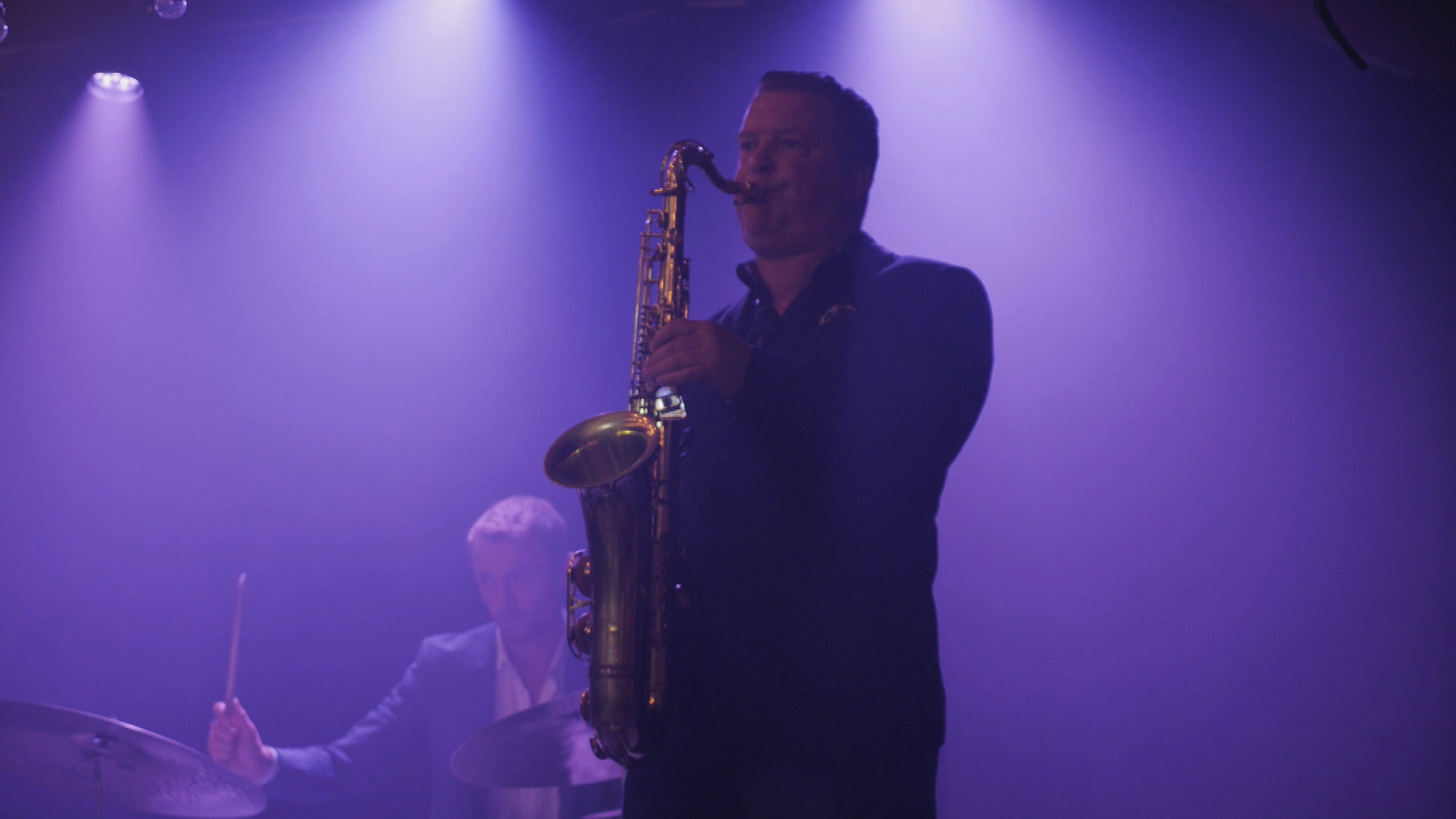
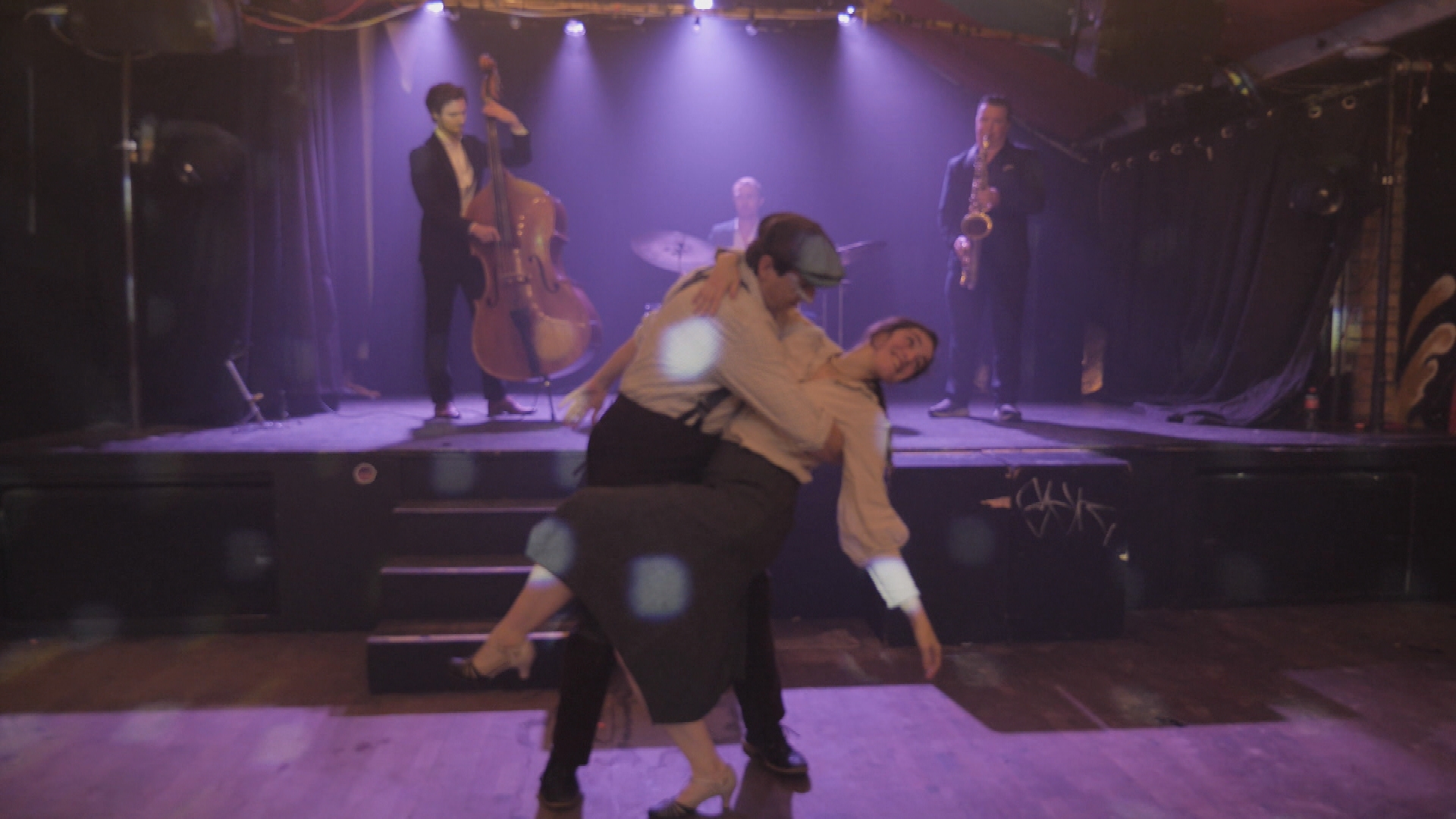
A culture war in the early years of the Irish Free State. A feverish and fervent campaign against dangerous dances and malevolent music.Dancing creating a firestorm, uproar right across the country, the authorities blindsided. And the reason behind the controversy? All that jazz!!!
This episode of ‘COSC’ (Banned) looks back at the anti-jazz campaign of the 1930s in Ireland.
With the founding of the country both church and state sought to promote a traditional, conservative identity for the Irish people. A form of music that didn’t fit into this ‘new Ireland’ was Jazz. At that time, the term Jazz was used here to refer to any form of modern dance. By the 1930s its popularity was rising, largely thanks to the relatively new technologies of radio and gramophone players. But the Catholic Church in particular was up in arms about unsupervised dancing in unlicensed dance halls, and one bishop referred to jazz dancing as ‘a menace to morality’.
Mohill in County Leitrim became the centre of the Anti-Jazz Campaign. Its leader, Fr Peter Conefrey was from the town and was a very active member of the Gaelic League. On New Year’s Day 1934 over 3000 people from south Leitrim and neighbouring counties marched through Mohill protesting against Jazz and the amount of airtime given to this ‘foreign music’ on Ireland’s national radio station, 2RN. Five bands accompanied the protestors on the march, who were carrying banners bearing slogans such as ‘Down with Jazz’ and ‘Out with Paganism’. Letters of support from Eamon de Valera and Archbishop MacRory were read to the assembled crowd and Fr Conefrey spoke passionately urging the government to ‘put down this Jazz’!
However, it was a speech at the protest by the secretary of the Gaelic League, Seán Óg Ó Ceallaigh that caused most controversy. He attacked the Minister for Finance Seán MacEntee who he said was ‘out jazzing every night of the week’. The government were angry about the attack on one of their ministers and subsequently cancelled a lecture Ó Ceallaigh was due to give on the national airwaves the following week. The influence of jazz was discussed at local authority meetings all over the country as well as in the Dáil, giving rise to heated debates.
The following year, due to pressure from the anti-jazz campaign and an unpublished government inquiry into the moral state of the country, the 1935 Public Dance Halls Act was introduced which meant a licence was needed from a district judge to hold a public dance, even in private homes. Ironically this had a detrimental effect on the traditional Irish music and dancing in houses that the Gaelic League wanted to promote. The new act worked in favour of local clergy who applied successfully for dancing licences that were held in parish halls and became a source of income and for the government, who took a 25% tax on each ticket sold.
Contibutions are from jazz experts Damian Evans and Johannah Duffy and historians Aindrias Ó Cathasaigh, Méabh Ní Fhuartháin, Seán Ó Súilleabháin and Alan Titley.
‘Jazz was seen as a reason for people to be somehow brainwashed.’
Johannah Duffy
‘The Church didn’t win the war because dance music, popular music and dancing had a power of its own and they were never able to stop that.’
Damian Evans
‘I gcónaí riamh tá duine éigean amuigh ansin atá ag iarraidh cosc a chuir le rud éigean. Braitheann sé ar cén rud agus cé tá i gcumhacht!’
‘There have always been people out there who want to ban something. It just depends on what it is and who is in power.’
Alan Titley
‘Is é an chorp an rud is tabhachtaí sa rince agus ó thaobh dearcadh coimeadach de, ‘sé an corp an rud is dáinséaraí.’
‘Dancing is all about the body and when it comes to conservative attitudes the body is a dangerous weapon.’
Méabh Ní Fhuartháin
‘Dár leis an t-Athair Conefrey bhí an diabhal féin sa cheol Jazz seo!’
‘Fr Conefrey believed that jazz was the devil’s music.’
Seán Ó Súilleabháin
‘Bhí daoine áirid ag iarraidh múnla ar leith a bhrú ar an tír agus ní raibh sa snagcheoil ach leithscéal.’
‘Certain people wanted to shape the country in a particular way, and jazz was only an excuse really.’
Aindrias Ó Cathasaigh
Producer / Director Colm P. Kirwan
Presenter / Repoter Garry Mac Donncha
COSC – DOWN WITH JAZZ
RTÉ ONE, Dé Máirt, 29ú Meán Fómhair @ 7pm
Coimhlint Cultúrtha i mblianta tosaigh an tSaorstáit..
Feachtas fuinniúil fíáin in aghaidh damhsaí dainséaracha agus ceol contúirteach.
Raic faoin rince, rí rá agus ruaille buaille a scaip fud fad na tíre, stangadh á bhaint as na hudaráis – agus ag bun agus barr an aighnis, bhí ceol jazz!
Caitheann an clár seo sa tsraith ‘COSC’ súil siar ar an bhfeachtas frith-snagcheoil sna 30daí.
Le bunú an tSaorstáit bhí súil ag an Eaglais agus an Stát go mbeadh muintir na hÉireann ag filleadh ar shaol a bhí coimeádach agus tradisiúnta. Ach bhí saghas áirithe ceoil nach raibh luí aige ins an ‘Éire nua’, agus b’shin ceol jazz, nó aon saghas ceol nua-aimseartha. Bhí an-tóir ar an gceol seo sna 1930daí ach bhí an Eaglais Chaitliceach ag gearán go láidir faoi damhsaí gan mhaoirsiú i hallaí gan cheadúnas, agus dúirt Easpag amháin gur ‘contúirt don mhoráltacht’ a bhí i damhsa jazz.
Bheadh lár-ionad na feachtasaíochta frith-snagcheoil i Maothail, Co. Liatroma agus ina cheann feadhna go háitiúil bhí an tAth. Peter Conefrey, sagart paróiste Chluaine, agus ball de Chonradh na Gaeilge. Ar Lá Caille 1934 chuaigh os cionn 3000 duine, ó dheisceart Liatroma agus contaetha eile, ar mhórshiúl trí bhaile Maothaile, ag agóidíocht in aghaidh ceol jazz agus faoin mhéid ama a tugadh don ‘cheol eachtrannach’ seo ar an stáisiún raidió náisiúnta 2RN. Bhí cúig bhanna ceoil i dteannta na léirsitheoirí ar an mórshiúl, agus bhí meirgí ag na daoine le manaí ar nós ‘Down with Jazz’ agus ‘Out with Paganism’ scríofa orthu. Léadh litreacha ag tacú leis an agóid ó Eamon de Valera agus an tArdeaspag MacRory agus labhair an tAth. Conefrey go diograiseach ag griosú an rialtas ‘to put down this jazz’.
Ach is píosa cainte a rinne rúnaí Chonradh na Gaeilge, Seán Óg Ó Ceallaigh, a tharraing an clampar is mó an lá sin i Maothail. D’ionsaigh sé an tAire Airgeadais, Seán MacEntee ag rá go raibh sé ‘jazzing every night of the week’. Chuir sé seo fearg ar an rialtas agus an tseachtain dár gcionn chealaigh siad léacht a bhí le tabhairt ag Ó Ceallaigh ar 2RN. Pléadh an tionchar a bhí ag an gceol agus damhsa jazz ag cruinnithe údáráis áitiúla timpeall na tíre agus sa Dáil freisin, agus spreag sé díospóireachtaí teasaí.
An bhliain dár gcionn de bharr brú ón ngluaiseacht frith-snagcheoil agus tuarascáil rialtais nár foilsíodh faoi staid mórálta na tíre, ritheadh Acht na Hallaí Rince i 1935 a chiallaigh go gcaitheadh duine ceadúnas a fháil ó bhreitheamh dúiche chun damhsaí a reachtáil, fiú i dtithe príomháideacha. Go híorónta, bhí droch-thionchar aige seo ar an gceol agus damhsaí tradisiúnta i dtithe, a tháinig salach ar an rud go raibh Conradh na Gaeilge ag iarraidh a chur chun cinn. Bhain an chléir áitiúil tairbhe as an acht nua, toisc gur éirigh leo ceadúnais a fháil chun damhsaí a reachtáil sna hallaí paróiste – foinse ioncaim go háitiúil agus don rialtas a ghearr 25% cánach amach ar gach ticéad a díoladh.
Rannpháirtíocht ó na saineolaithe jazz Damian Evans agus Johannah Duffy agus na staraithe Aindrias Ó Cathasaigh, Méabh Ní Fhuartháin, Seán Ó Súilleabháin and Alan Titley.
Léiritheoir / Stiúrthóir Colm P. Kirwan
Láithreoir / Tuairisceoir Garry Mac Donncha
‘Jazz was seen as a reason for people to be somehow brainwashed.’
Johannah Duffy
‘The Church didn’t win the war because dance music, popular music and dancing had a power of its own and they were never able to stop that.’
Damian Evans
‘I gcónaí riamh tá duine éigean amuigh ansin atá ag iarraidh cosc a chuir le rud éigean. Braitheann sé ar cén rud agus cé tá i gcumhacht!’
‘There have always been people out there who want to ban something. It just depends on what it is and who is in power.’
Alan Titley
‘Is é an chorp an rud is tabhachtaí sa rince agus ó thaobh dearcadh coimeadach de, ‘sé an corp an rud is dáinséaraí.’
‘Dancing is all about the body and when it comes to conservative attitudes the body is a dangerous weapon.’
Méabh Ní Fhuartháin
‘Dár leis an t-Athair Conefrey bhí an diabhal féin sa cheol Jazz seo!’
‘Fr Conefrey believed that jazz was the devil’s music.’
Seán Ó Súilleabháin
‘Bhí daoine áirid ag iarraidh múnla ar leith a bhrú ar an tír agus ní raibh sa snagcheoil ach leithscéal.’
‘Certain people wanted to shape the country in a particular way, and jazz was only an excuse really.’
Aindrias Ó Cathasaigh