


THE CONSUMER SHOW – EPISODE 5 PRESS RELEASE
Wednesday April 1st RTÉ One 8:30pm
Carbon Monoxide: The Silent Killer…
This week on The Consumer Show, Ella McSweeney speaks to three families affected by Carbon Monoxide poisoning, either through the death of a loved one, or a dangerously close encounter themselves. We look at the new legislation that came into force on September 1st 2014, which requires CO Alarms in all new dwellings and where new or replacement open flue & flueless combustion appliances (stoves, open fires, boilers etc.) are being installed. We also look at how you install the alarms, as it is crucial in the detection of Carbon Monoxide.
Carbon Monoxide (CO) is a colourless, odourless and poisonous gas which unintentionally kills an average of six people each year in Ireland, according to the HSE, though it is believed that the figure could actually be a lot higher. Many more end up in hospital poisoned by the deadly fumes.
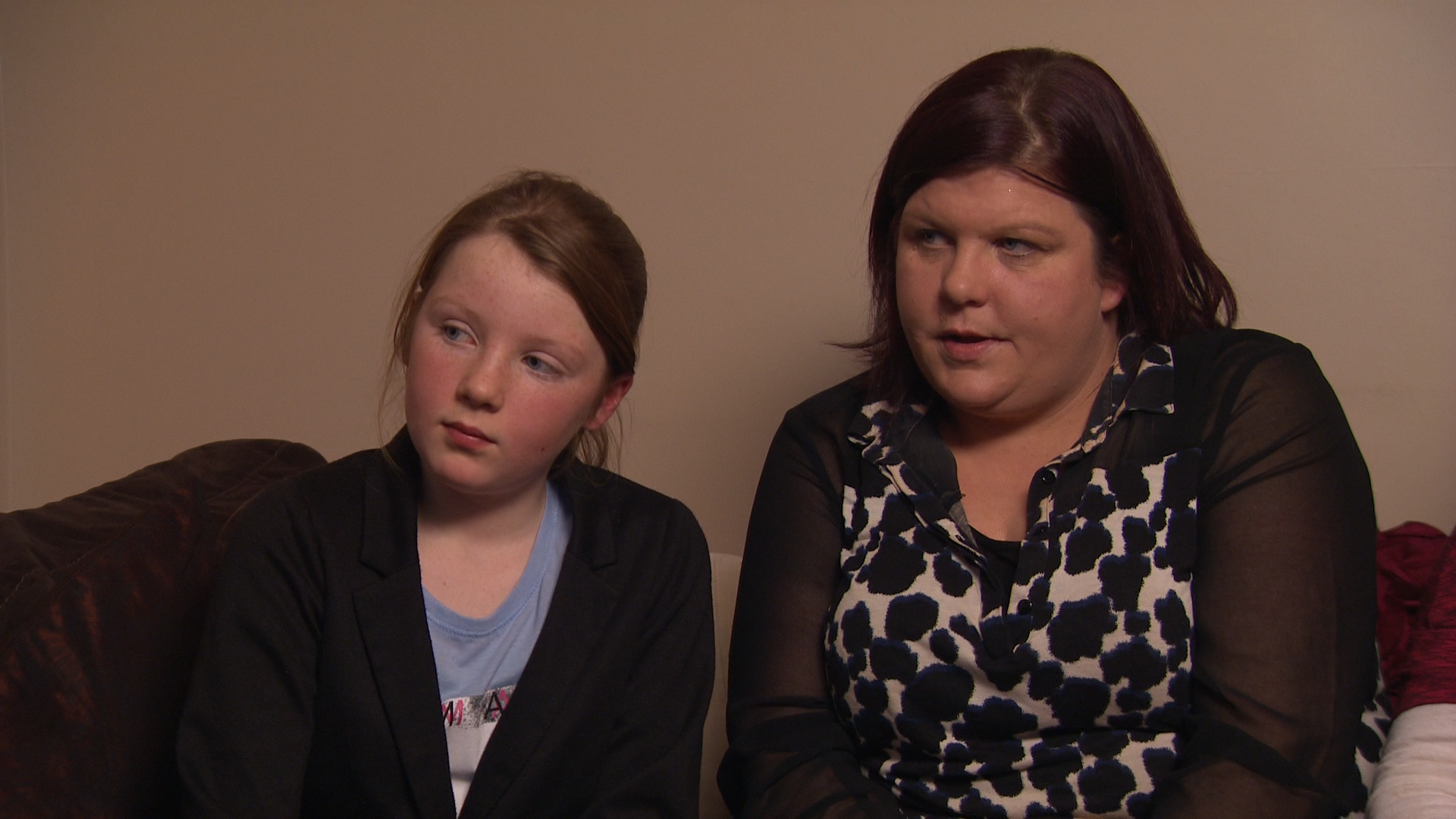
Evelyn Andrews and her daughter Katie suffered from Carbon Monoxide poisoning in their Co. Meath home in October 2013. A crisp bag that been had thrown into the fire before they went to bed had been sucked up the chimney and blocked the flue, causing carbon monoxide to come back down the chimney and fill the house with the poisonous gas. Fortunately Evelyn woke and she and Katie were treated in hospital for Carbon Monoxide poisoning.
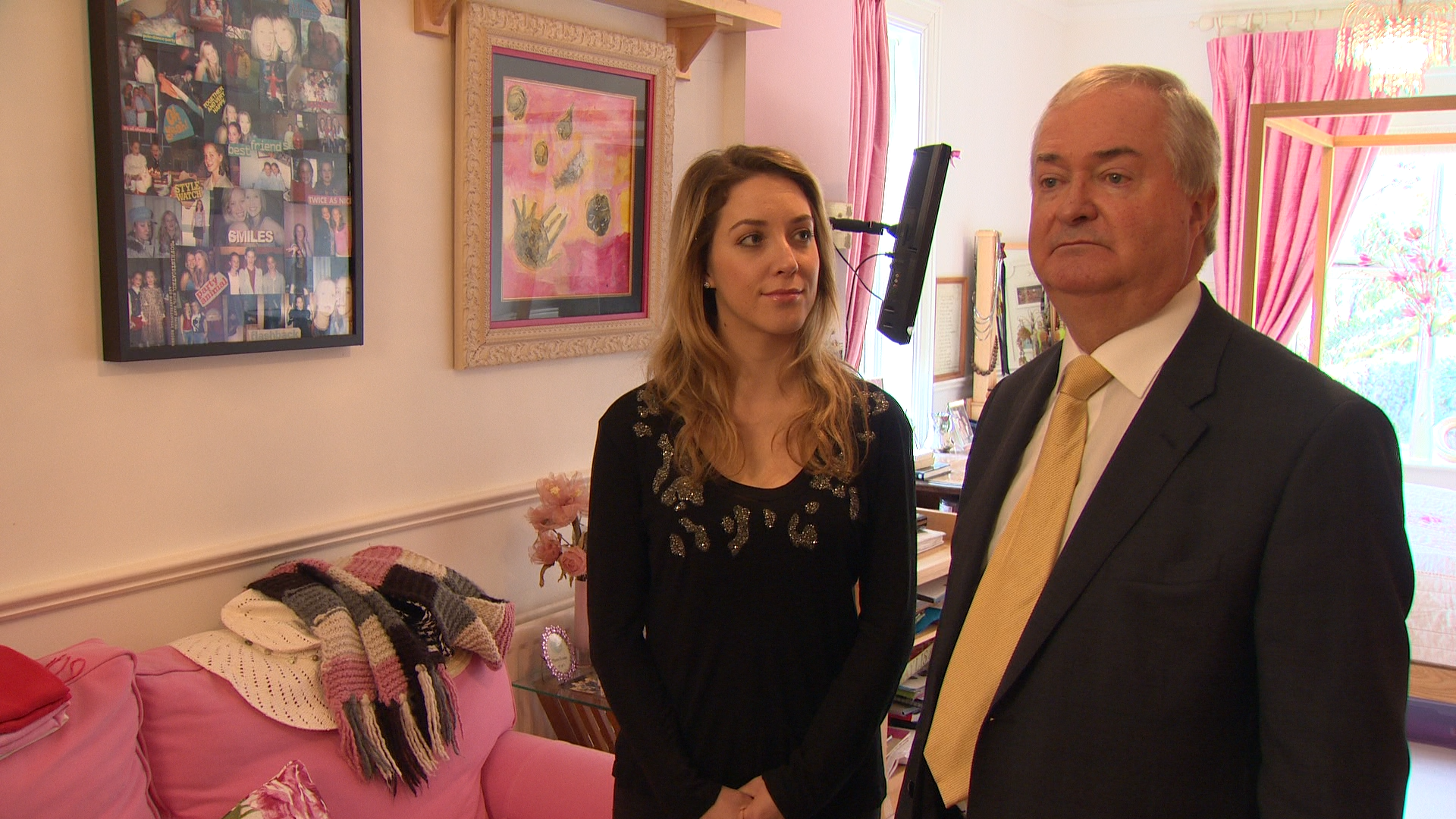
Others were not so lucky. At Christmas 2008, twenty year old Padraig Hughes from Mayo died from carbon monoxide poisoning in his family home. Padraig’s father, Cathal made the horrific discovery on Christmas morning when he called his four children and his twins Padraig and Emma who slept in bedrooms beside each other would not wake up. Emma fortunately survived the carbon monoxide poisoning incident, but Padraig sadly had succumbed to the deadly gas. It was later established that the boiler in the family home had blown and filled the bedrooms with the lethal gas as Cathal’s children slept.
Cathal has been a hugely active fighter in the campaign to make Carbon Monoxide alarms mandatory in new built homes and when replacement appliances are being installed, which was finally introduced six years after Padraig’s death.
Bernadette MacCarthy from Cork lost her boyfriend Alex to carbon monoxide poisoning in 2008. The source of the poisoning was a gas cooker in the apartment.
“His life was cut short in such a cruel, unnecessary way and to think that if he just had one little alarm, he would probably be still here today.”
Owen Wilson of Safety with Gas Networks Ireland, explains to our reporter Ella that consumers need to realise that any fuel can cause Carbon Monoxide.
Carbon monoxide is a by-product of the combustion process that a fuel goes through when it burns. Coal, turf, wood, oil gas all can produce carbon monoxide, which is quite safe when it is going up a chimney or flue and out into the atmosphere.
For as little as €30, CO deaths could be prevented with the purchase of a Carbon Monoxide alarm for your home.
Battery Anxiety
Tadhg Enright asks the nation about their battery anxiety, that 21st century condition in which mobile users fret about whether they’ll be left with a dead phone.
Tadhg said: “It’s that sinking feeling you get when halfway through your busy day, there’s well under half your battery left on your phone and nowhere you can plug it in.”
88% of mobile users won’t leave home without their mobiles, according to a survey carried out for The Consumer Show by Edelman Ireland. 84% of us have changed our behaviour to keep our batteries from dying. 8% of people who answered our survey actually went home rather than stay out with friends so they could charge their phone.
Mobiles are no longer just tools for calling and texting with web-browsing, email, photography, social media and a plethora of apps all draining their batteries. Dr. Kevin Ryan from the University of Limerick told The Consumer Show: “If you look at your phone that you had 10 years ago and the phone you have now, the battery is probably the same size, but the applications that it’s running are probably a lot more.”
From turning off data to putting their phones in aircraft mode, there are many ways for mobile users to preserve their batteries throughout the day. Jim O’Brien, from Techbuzz Ireland told The Consumer Show about his top tips: “Turn off your location settings would be one, turn off background applications which are updating by themselves would be two, and your light on your screen: sometimes people have their screens very bright which wears down the battery.”
51% of people who answered our survey said that battery life was an important consideration when choosing a new mobile phone, second only to price.
The Consumer Show visited the University of Limerick where researchers in its nanotechnology lab have made a scientific breakthrough which could help double the capacity of mobile batteries. Dr. Kevin Ryan, whose been leading the research said: “What we’re doing is developing the next generation of lithium ion batteries. What we’re trying to do is improve the performance of those batteries so they can last longer and deliver more energy for your device.”
Tadhg will also show consumers some of the other cures for battery anxiety including mobile charging devices and the latest wireless charging technology which could be coming to a café near you soon.